How to Build a Profitable Resume & Portfolio Builder Platform: Full Step-by-Step Guide
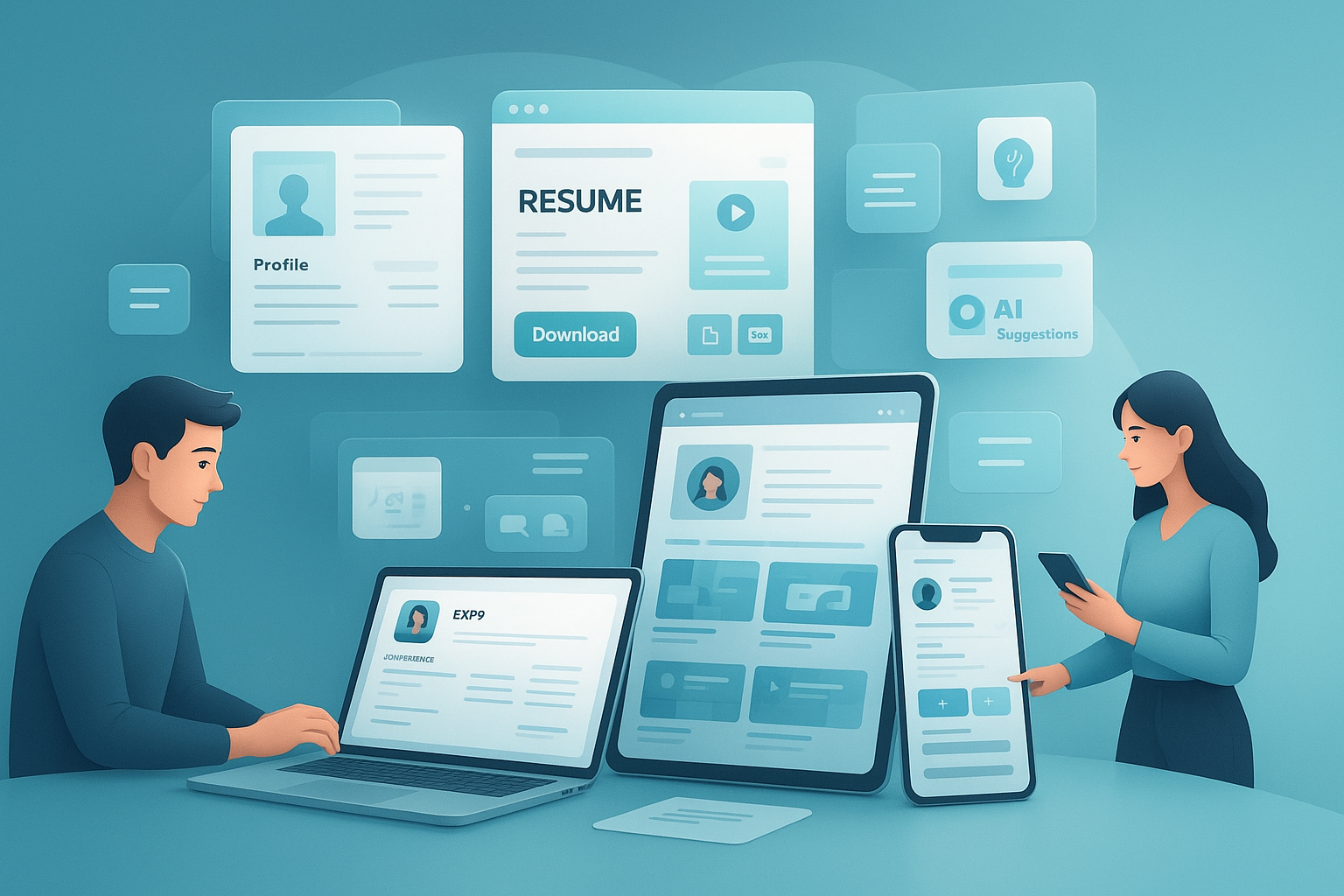
In today’s competitive hiring landscape, resumes and portfolios have become more than documents — they are digital identity cards that define how a candidate presents their skills, achievements, and personality. With millions of job seekers, freelancers, and students needing polished resumes and professional portfolios, a Resume & Portfolio Builder Platform has become a highly profitable and scalable business idea.
If you’re planning to build such a platform, this blog will walk you through the entire process — from concept to development, launch, and monetization.
Understanding the Business Idea
A Resume & Portfolio Builder is an online platform where users can:
Create professional resumes using clean and creative templates
Build digital portfolios showcasing projects, skills, experience, and achievements
Download ready-made templates (PDF, DOCX, or web-based portfolio links)
Pay subscription or one-time template fees
These platforms solve a major problem:
Most people don't know how to present themselves professionally.
Your platform makes it easy, fast, and visually impressive.
Step-by-Step Process to Build the Platform
1. Identify Your Target Audience
This platform can attract multiple user groups:
Students preparing for internships
Freshers looking for their first jobs
Professionals updating resumes
Freelancers needing a portfolio link
Designers, developers, writers, photographers
Job seekers worldwide
Each user type prefers different templates and design styles, so designing for variety is essential.
2. Plan the Core Features
A successful Resume & Portfolio Builder must include:
A. Resume Builder
Ready-made templates
Drag-and-drop editor
Auto-formatting
Section options: summary, education, experience, skills, certifications
AI-powered content suggestions (optional)
Multi-language support
PDF & DOCX download
B. Portfolio Builder
Web-based portfolio pages
Custom domain or link sharing
Project uploads (images, videos, links)
Skill tags
Client testimonials
Integration with GitHub, Behance, LinkedIn
C. Template Marketplace
Free templates
Premium templates
Category-based sorting (Tech, Creative, Minimal, Corporate, Modern, etc.)
D. User Dashboard
Save unlimited drafts
Manage multiple resumes
Customize portfolios
Analytics for portfolio views (optional)
E. Admin Panel
Add templates
Manage subscriptions
Track revenue & user data
3. Decide Your Revenue Model
You have multiple earning opportunities:
✔ Subscription Model (Most Profitable)
Users pay monthly/yearly to unlock:
Premium templates
Unlimited downloads
Portfolio customization
AI resume writing
Priority support
✔ Pay-Per-Template Model
Each premium template is sold individually
(₹49–₹499 depending on quality)
✔ One-Time Lifetime Access
Users pay once to unlock all features.
✔ Portfolio Hosting Fees
Charge to host web-based portfolios on your platform’s domain.
✔ Ads (Optional)
Run ads for free users, but keep them minimal to avoid affecting user experience.
4. Build the Platform (Technical Development)
You can develop it in two ways:
Option A: Custom Development (Best for Long-Term Growth)
Frontend Technologies:
React / Next.js / Vue.js
TailwindCSS or Bootstrap
Backend Technologies:
Node.js / Django / Laravel / Ruby on Rails
Database:
MongoDB / MySQL / PostgreSQL
Storage:
AWS / Google Cloud / Firebase
PDF Generation Tools:
wkhtmltopdf
Puppeteer HTML to PDF
Additional Integrations:
Razorpay / Stripe for payments
SMTP email system
Cloudflare for security
Option B: No-Code / Low-Code MVP (Fast Launch)
Use platforms like:
Webflow
Bubble
Wix + custom scripts
Tilda for portfolio pages
This allows you to launch quickly and test demand before investing heavily.
5. Create Premium Templates (Your Goldmine)
Your templates are your primary money-making asset.
Types of templates to include:
Resume Templates
Minimal
Creative
ATS-friendly
Corporate
Modern
Photo-based
Infographic resumes
Portfolio Templates
Developer portfolio
Photographer portfolio
Content writer portfolio
Designer portfolio
Freelancer portfolio
You can hire designers or buy template rights and customize them.
6. Build a Smooth User Experience
User experience is what decides the platform’s success.
Important UX factors:
Simple onboarding
Autosave while editing
Real-time preview
Easy drag-and-drop UI
Clear instructions
Mobile-friendly editor
Fast rendering & downloads
A resume builder must feel effortless, even for non-tech users.
7. Launch Strategy (Go-To-Market)
Your launch should focus on places where job seekers are active:
Platforms to target:
LinkedIn
Instagram & Reels
YouTube shorts (explainer videos)
Facebook jobs groups
College placement cells
Freelancing platforms
Reddit communities
Content Ideas:
“Top 5 Resume Mistakes Students Make”
“Download 3 Free Resume Templates Today”
“How to Build a Portfolio in 10 Minutes”
“Before & After Resume Transformation”
Offering free templates is the best marketing hook.
8. Customer Acquisition Strategy
A. SEO
Rank for keywords like:
best resume builder online
portfolio website builder
free cv templates
cv builder india
resume templates download pdf
B. Influencers
Collaborate with:
Career coaches
HR recruiters
Placement trainers
Content creators
C. College Tie-Ups
Offer discounted student subscription plans.
9. How to Scale the Platform
Once the platform grows, expand into:
AI Resume Writer
AI Portfolio Analyzer
Cover Letter Generator
Interview Preparation Tools
Job Alerts Integration
Freelancer profile builder (Fiverr/Upwork style)
Resume review service
This makes your platform a complete career tool.
Final Thoughts
A Resume & Portfolio Builder platform is:
✔ Highly scalable
✔ Low maintenance once templates and system are built
✔ Easily monetized
✔ In high demand globally
✔ Perfect for students, freelancers, job seekers
✔ Suitable for subscription-based recurring income
With clean design, professional templates, smooth UX, and smart marketing, this platform can grow into a profitable SaaS product.
If you want, I can also create:
✅ A brand name for the platform
✅ A tagline
✅ Full UI/UX layout
✅ Marketing content
✅ Image prompts for promotion
✅ A pitch deck or business plan