How to Start a Successful Handmade Products Marketplace: A Complete Guide
The demand for handmade, artisanal, and craft-based products is growing rapidly as consumers shift towards authenticity, sustainability, and unique creations. A Handmade Products Marketplace—similar to Etsy—connects artisans, creators, and small craft sellers with customers across the world.
If you want to build a profitable marketplace platform dedicated to handcrafted products, this guide will walk you through the full process: from idea to execution.
1. What is a Handmade Products Marketplace?
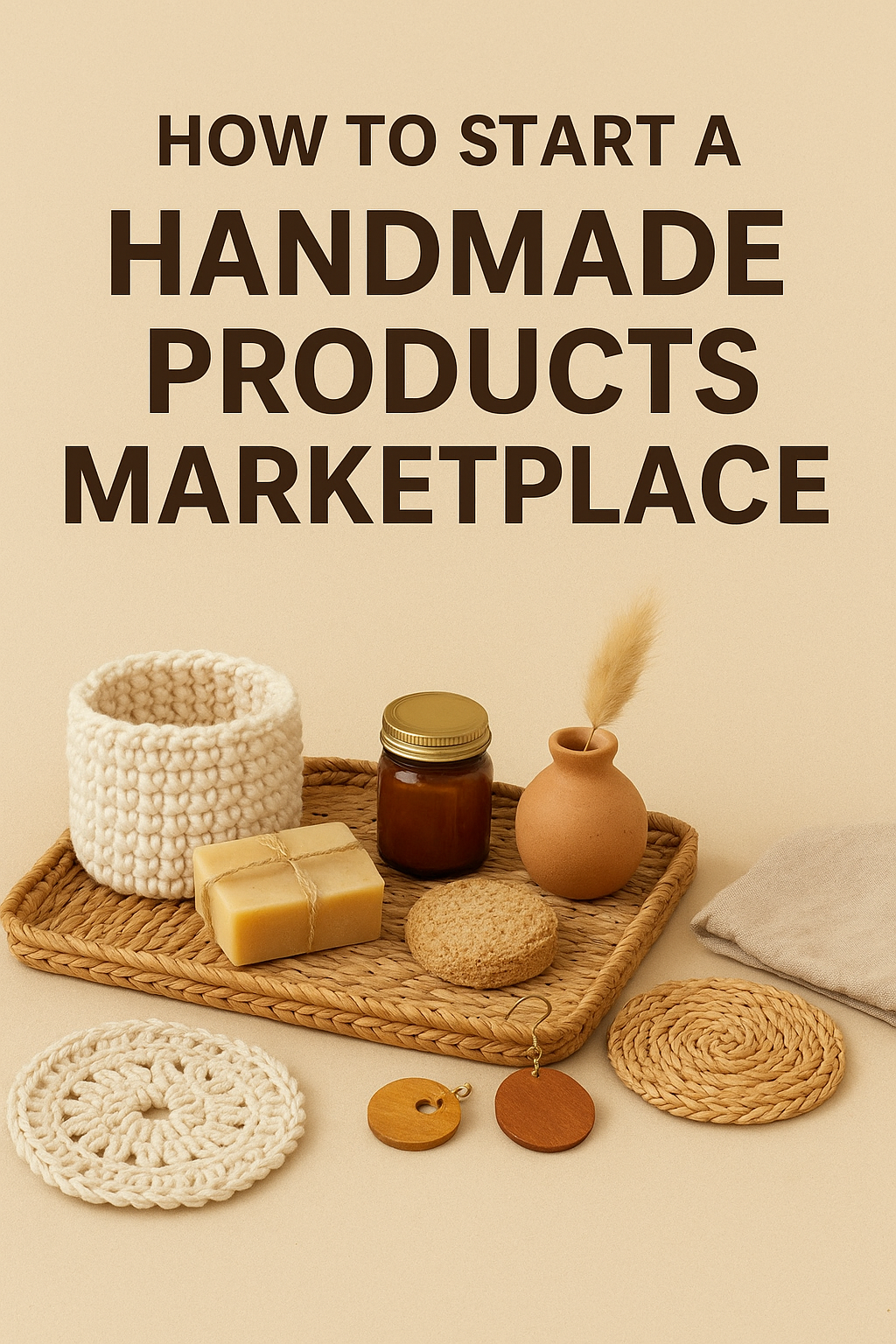
A Handmade Products Marketplace is an online platform where independent creators can list, showcase, and sell their handmade items. These include:
Handmade jewelry
Artwork & paintings
Home décor items
Clothing & accessories
Candles, soaps, and organic products
Crochet work
Craft supplies
Personalized gifts
Eco-friendly products
The marketplace acts as the bridge between sellers and buyers while earning commissions from each sale.
2. Why This Marketplace is a Profitable Business Idea?
✔ Rising interest in sustainable & unique products
People prefer handmade items over mass-produced factory products.
✔ Low initial investment
Most creators already have inventory; you provide the platform.
✔ Multiple revenue streams
Commission, subscription plans, ads, logistics partnership, etc.
✔ Global market opportunity
Your artisans can sell worldwide.
3. Step-by-Step Process to Build a Handmade Products Marketplace
Step 1: Define Your Business Model
Choose your platform model:
A. Commission-Based Model (Most Common)
You charge a percentage (5%–20%) on every successful sale.
B. Subscription Model
Sellers pay monthly/annual plans for listing limits or premium features.
C. Listing Fee Model
A fixed amount per product listing (like Etsy).
D. Hybrid Model
Combination of commission + subscription.
Step 2: Identify Your Target Audience
Independent artisans
Small craft businesses
Home-based creators
Art studios & designers
Eco-friendly product makers
Buyers interested in unique and handmade gifts
Step 3: Core Features of a Handmade Products Marketplace
For Buyers
Beautiful homepage showcasing trending crafts
Search + filters (price, category, material, location)
Product details with multiple photos & videos
Reviews and ratings
Wishlist
Secure checkout
Multi-language & multi-currency options
For Sellers (Vendors)
Seller dashboard
Add/edit products
Inventory management
Order management
Payment settlement report
Earnings analytics
Chat with buyers
Admin Features
Manage sellers
Approve/reject listings
Commission control
Payment settlements
Category & banner management
Coupon/code management
Reports & analytics
Step 4: Technology Stack
Frontend:
React.js / Next.js
Vue.js / Nuxt.js
Backend:
Node.js / Express
Laravel / PHP
Django / Python
Database:
MySQL / PostgreSQL
MongoDB
Optional Integrations:
Razorpay / Stripe / PayPal
Cloud storage (AWS S3)
SMS / Email notifications
Shipping APIs
Step 5: Website Development Process
1. UX/UI Planning
Create modern, minimal, and craft-themed designs.
2. User Flows
Define login → browse → purchase → delivery flow.
3. Development
Build buyer + seller + admin modules.
4. Payment Gateway Integration
5. Testing & Launch
Functional testing
Load testing
Security testing
6. Seller Onboarding System
Invite artisans to register and list their items.
6. Monetization Methods
✔ Commission on Sales
Biggest revenue source.
✔ Subscription Plans
Premium sellers get more features.
✔ Product Listing Fees
Charge per listing.
✔ Featured Product Promotions
Paid promotion on homepage.
✔ Ads Integration
Google ads or in-platform ad slots.
✔ Transaction Fees
Charge a small payment processing fee.
7. Logistics & Delivery Strategy
For handmade goods, shipping plays a major role.
Option A: Sellers handle shipping
Simple and low-cost for you.
Option B: Marketplace-managed shipping
Tie up with logistics partners like Delhivery, BlueDart, Shiprocket.
8. Marketing Strategy for Launch
✔ Social Media Marketing
Showcase artisans and products on Instagram & Pinterest.
✔ Influencer Collaborations
Gift boxes, craft creators, lifestyle influencers.
✔ SEO Content
Blogs on handmade gift ideas, eco-friendly crafts.
✔ Referral Programs
Reward both buyers and sellers.
✔ Email Campaigns
New arrivals, curated collections.
9. Challenges & Solutions
Challenge: Quality control
Solution: Approve sellers manually; verify products.
Challenge: Shipping delays
Solution: Tie up with reliable couriers.
Challenge: Attracting artisans initially
Solution: Offer 0% commission for first 3 months.
10. Conclusion
A Handmade Products Marketplace is a high-potential, future-proof business idea with growing global demand. With the right technology, marketing strategy, artisan onboarding, and seamless user experience, you can build a profitable marketplace that empowers creators and brings unique products to the global audience.