How to Build a Home Chef / Food Delivery Marketplace: A Complete Step-by-Step Guide
The demand for fresh, homemade, hygienic, and affordable food is rising rapidly. With busy lifestyles, growing work-from-home culture, and increasing health consciousness, people now prefer home-cooked meals over restaurant food. This shift has opened up a massive opportunity for entrepreneurs:
A Home Chef / Food Delivery Marketplace — a platform where local home chefs can sell meals directly to customers.
This blog will guide you through the entire process of creating such a platform — from idea to launch.
1. Understanding the Business Model
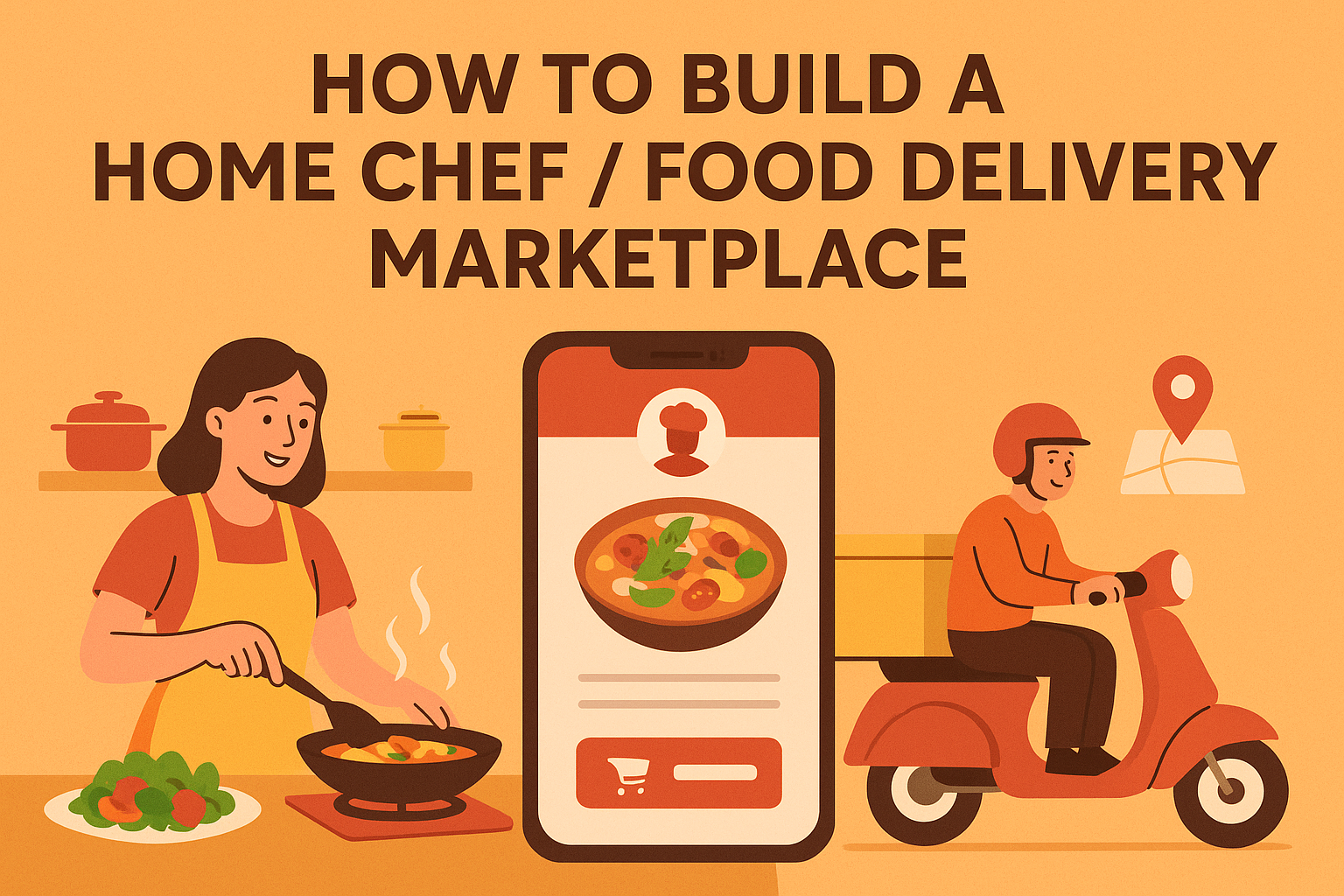
A Home Chef Marketplace connects:
Home Chefs – individuals who cook from home and list meals daily.
Customers – people looking for fresh, homemade food.
Delivery Partners – logistics partners or in-house delivery riders.
How It Works
Home chefs register and upload their menu.
Customers browse dishes, check ratings, and place orders.
Chefs prepare meals as per order.
Delivery partner picks up & delivers the meal.
The platform earns through commissions.
2. Core Features of the Marketplace
For Customers
Browse dishes (veg, non-veg, healthy, tiffin, snacks)
Filters: price, cuisine, location, ratings
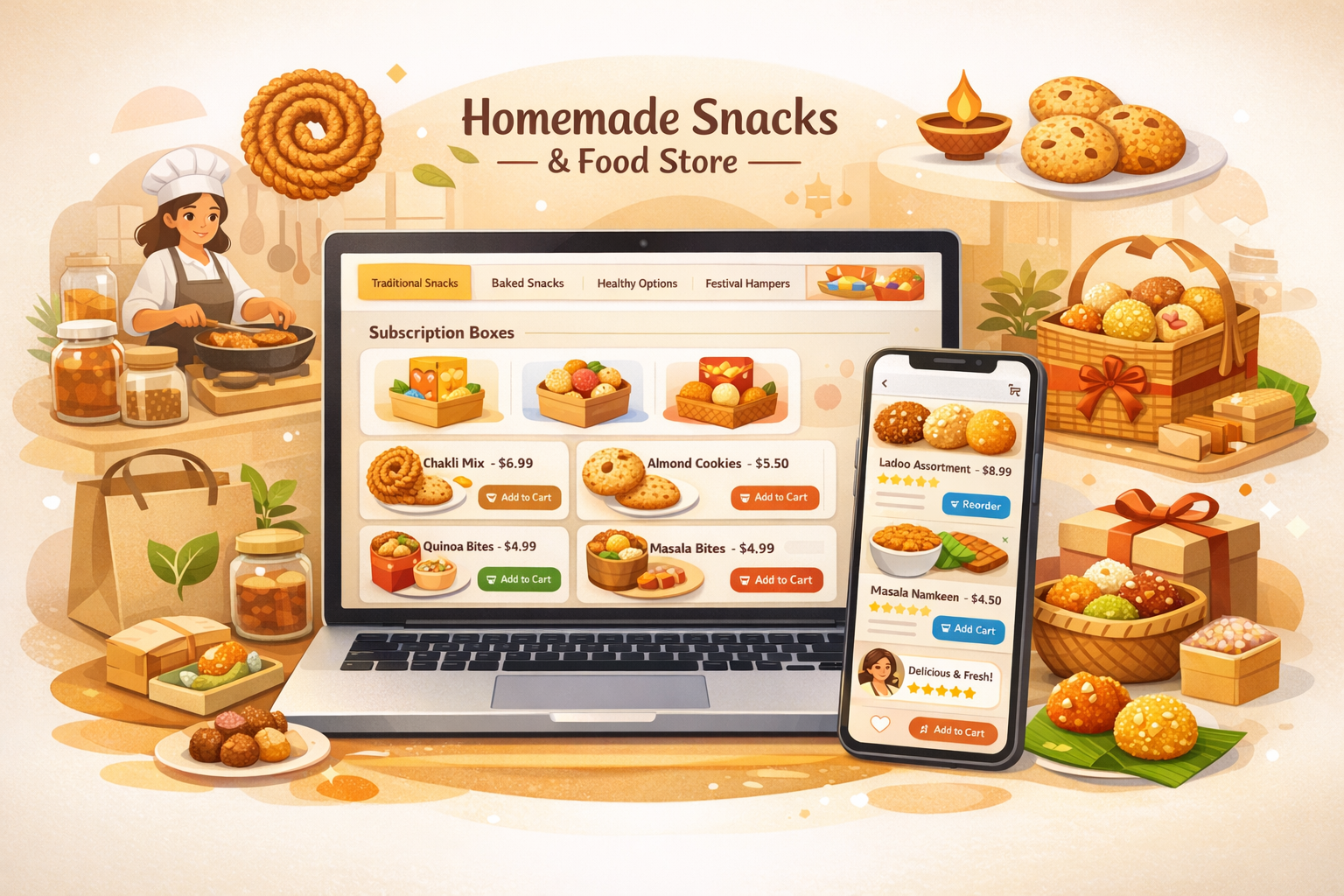
Add to cart, scheduled orders, subscription meals
Live delivery tracking
Wallet, coupons, payment gateway
Reviews & ratings
For Home Chefs
Chef registration & verification (ID + kitchen hygiene photos)
Menu management
Real-time order notifications
Inventory & availability controls
Earnings dashboard / weekly settlements
For Admin
Manage chefs, customers, orders
Approve/reject chefs
Commission setup
Dispute management
Reports: sales, revenue, active chefs
3. Step-by-Step Process to Build the Business
Step 1: Market Research
Identify areas with high demand (IT parks, PG clusters, colleges)
Understand popular cuisines in your region
Study pricing patterns, competition, user needs
Step 2: Build the Brand & Business Model
Define:
Name & branding
Commission model (10%–25%)
Delivery model — in-house or third-party (Dunzo/Shadowfax/Local riders)
Target audience: working professionals, students, elderly people
Step 3: Build the Platform
You can choose:
Fully Custom Website/App
No-code / Low-code tools
Ready-made SaaS marketplace solutions
Technical Features Required
Mobile app (Android/iOS) + Web app
Real-time notifications
GPS-based chef discovery
Secure payment gateway
Delivery management module
Chef onboarding panel
4. Operational Workflow
Chef Onboarding
Submit ID proof
Kitchen hygiene photos
Bank details
Food license (if required)
Order Management
Customer places an order
Chef accepts & starts preparation
Delivery partner assigned
Order delivered → Payment settled to chef after platform’s commission
Delivery Management
Live order tracking
Peak hours management
Multiple orders routing
Delivery fee rules (distance-based)
5. Monetization Strategies
You can earn in multiple ways:
Commission per order (main revenue)
Delivery charges
Subscription plans for chefs (featured listing)
Customer subscription meals
In-app ads for chefs
Platform service fees
6. Marketing Strategy
Digital Marketing
Instagram food reels
Google My Business listing
Local SEO
WhatsApp advertising
Influencer tie-ups with food bloggers
Offline Marketing
Posters in PGs, hostels, apartments
Partnerships with tiffin centers
Sampling programs (“Try Free Taste Day”)
7. Legal & Safety Compliance
FSSAI registration (India)
Hygiene check for chefs
Delivery rider background verification
Digital invoice + tax rules
Secure payments & data privacy
8. Scaling Your Marketplace
Once the platform grows, you can add:
Meal subscription boxes
Corporate lunch plans
Dietician-curated meals
Cloud kitchen partnerships
Franchise-like cluster expansion
AI-based personalised meal recommendations
Conclusion
A Home Chef / Food Delivery Marketplace is a highly scalable and future-ready business model. With the right blend of technology, food quality, and logistics, you can build a profitable platform that empowers home chefs and keeps customers happy with fresh, homemade meals.