Hyper-Local Marketplace for Small Businesses: The Future of Community Commerce
The world is shifting fast. Consumers today don’t just want products — they want convenience, transparency, trust, and the ability to support real people behind the businesses. This shift has given rise to a powerful new model of commerce: the hyper-local marketplace.
A hyper-local marketplace is more than just an app or a platform. It is a digital ecosystem that connects neighbourhood shoppers with their nearest stores, vendors, creators, service providers, and essential businesses. It brings the entire neighbourhood online — without taking away the personal touch of local shopping.
For small businesses, this model is a game-changer. And for the entrepreneurs building it, this is one of the biggest opportunities of the decade.
Let’s break down the entire concept, process, business model, and execution strategy in an expert, detailed, and easy-to-understand way.
1. What Is a Hyper-Local Marketplace?
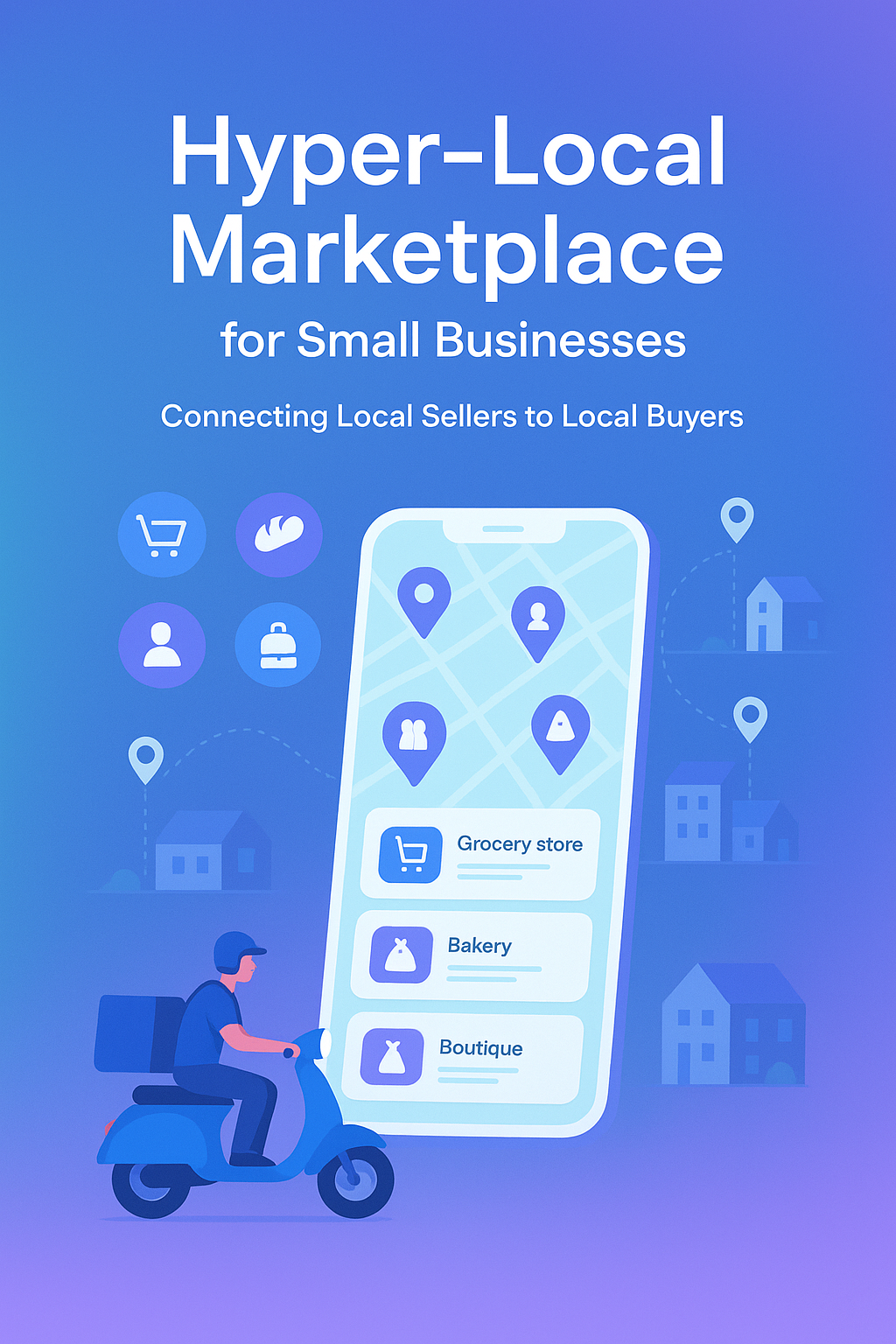
A hyper-local marketplace is a digital platform that connects customers to providers within a specific geographic radius (like 1 km, 3 km, or within the same neighbourhood).
Examples:
Local grocery stores
Medical shops and essentials
Small retailers
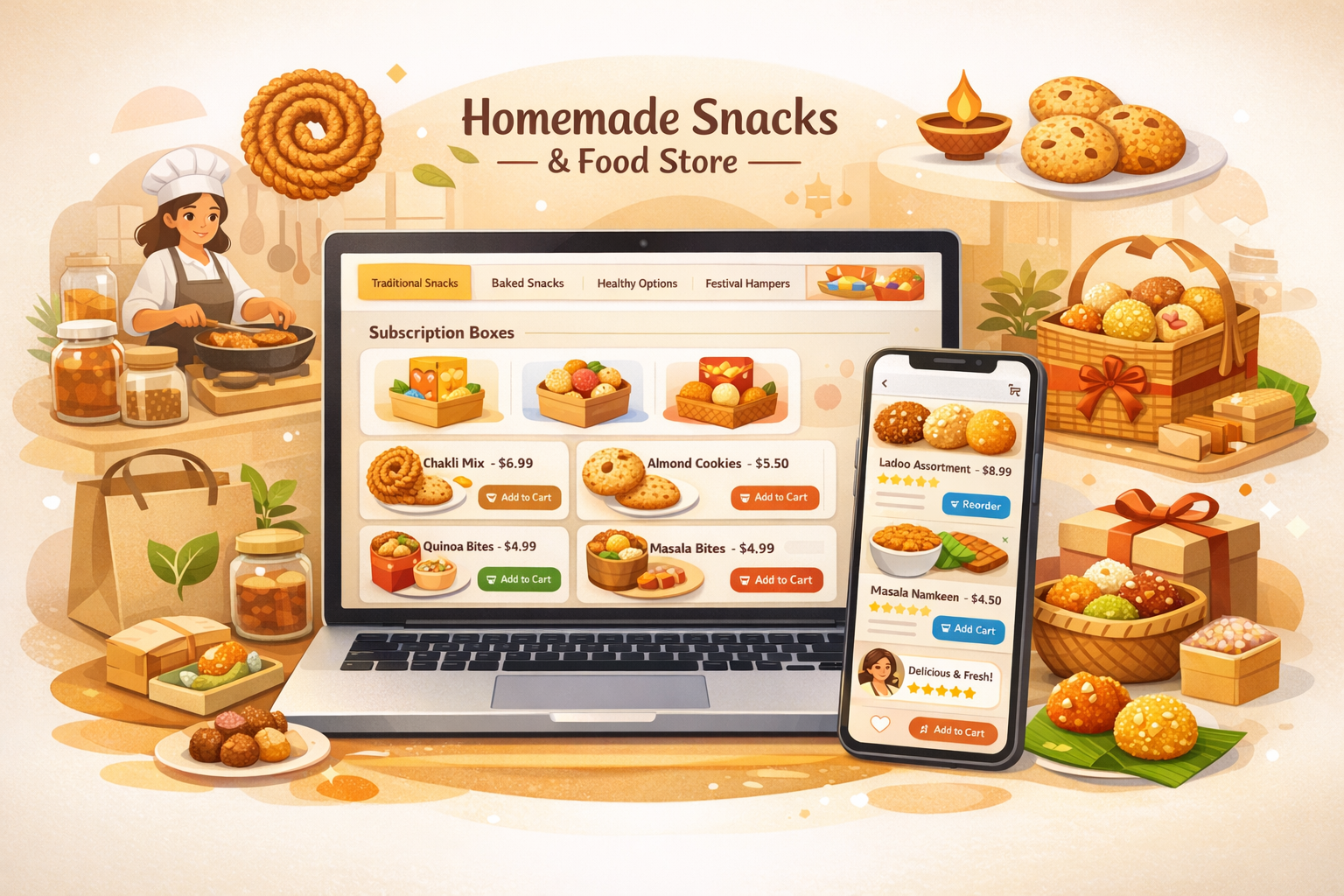
Bakeries & cloud kitchens
Tailors, carpenters, plumbers
Boutique fashion stores
Home-made product sellers
Florists & gift shops
Cafes & restaurants
Mehandi artists, home chefs, small service providers
Unlike large e-commerce platforms, a hyper-local marketplace focuses on fast delivery, trust, and community relevance.
It is “Amazon + Dunzo + Local Kirana Store + WhatsApp shopping” combined into one simple ecosystem.
2. Why This Model Works Today
The demand for hyper-local shopping is booming for several reasons:
a) Consumer Behaviour Has Shifted
People want:
Fast delivery
Products from nearby stores
Local trust
Verified businesses
No minimum order
Personal connection
b) Small Retailers Want Digital Visibility
Most small shops don’t have:
Their own website
Delivery system
Digital marketing
Advanced branding
A marketplace solves all this.
c) High Repeat Business
Hyper-local orders (groceries, food, essentials) repeat daily or weekly.
This makes the marketplace stable and scalable.
d) Government Push for Digital India & MSME Development
The timing is perfect.
Digital payments, UPI, logistics, and GST simplification have made small-business digitization stronger than ever.
3. Key Features of a Hyper-Local Marketplace
A powerful platform should include:
✔ Business Onboarding System
Shops can register easily
Upload products/services
Add timings, location, delivery charges
✔ Customer App / Website
Smart search
Filters by proximity
Real-time inventory
Fast checkout
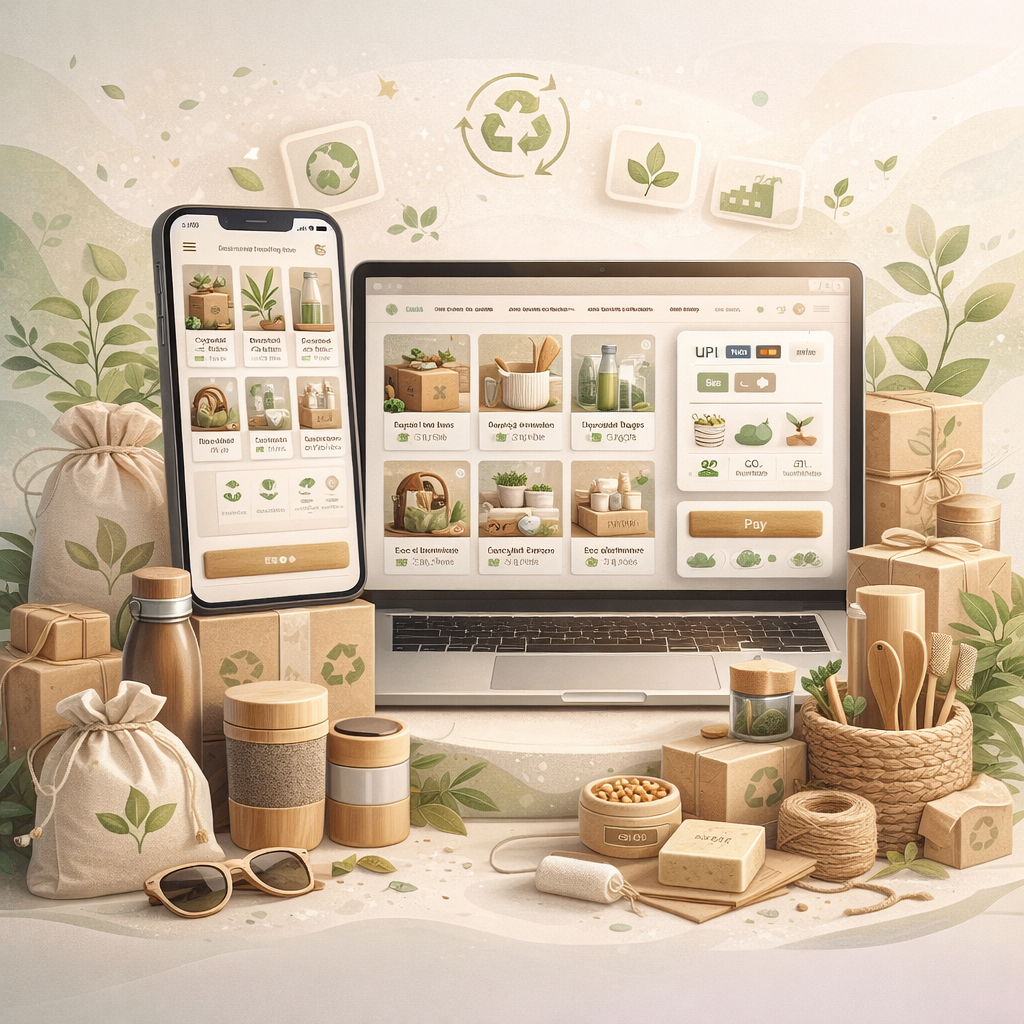
UPI/Wallets/ COD
✔ Delivery Management
Delivery partners assigned instantly
Live order tracking
Route optimization
✔ Business Dashboard
Manage orders
Add/update products
View analytics
Payment settlements
✔ Reviews & Verification System
Trust is the foundation of hyper-local commerce.
✔ Offers & Local Marketing Tools
Small businesses can run:
Discounts
Festival offers
Loyalty programs
Subscription packs
✔ Chat Support / WhatsApp Integration
People love to message before ordering.
Add direct chat with shop owners.
4. Step-By-Step Process to Build This Business
Here is the complete execution roadmap:
Step 1: Research Your Local Market
Analyze:
Number of small businesses
What people order daily
Availability of delivery partners
Competition
Buying behaviour of customers
Pain points of shop owners
Step 2: Finalize Your Niche (Optional)
You can go:
All-in-one marketplace
Hyper-local food marketplace
Grocery-focused
Services only
Home-based sellers
Hyper-local fashion marketplace
A niche allows faster adoption in the beginning.
Step 3: Build the Platform
Core components:
User app / web
Vendor app
Delivery app
Admin panel
Build features:
Real-time location
Instant order assignment
Chat & notifications
Digital payments
Search & filters
Reviews
Step 4: Onboard Local Businesses
Start with:
20–50 stores in each locality
Show them free visibility
Help them upload products
Give them simple training
Once they see orders coming, they stay forever.
Step 5: Set Up Delivery System
Models:
In-house delivery team
Freelance riders
Aggregator partnership
Hybrid model
Use route optimization for speed.
Step 6: Launch & Market Locally
Marketing ideas:
Local newspaper ads
Flyers in apartments
WhatsApp marketing
Google My Business
Apartment society tie-ups
Local influencer content
Referral program
Target both: shops + customers.
Step 7: Monetization Strategy
Your marketplace earns through:
✔ Commission (5%–18%)
Every order gives you a share.
✔ Delivery Charges
Customers pay delivery fees.
✔ Subscription for Merchants
Example:
₹499/month for premium listing.
✔ Ads and Sponsored Listings
Businesses pay to appear on top.
✔ Logistics + Packaging charges
✔ In-app promotions
This creates multiple streams of stable revenue.
5. Real-World Use Cases & Scenarios
Grocery Shop – 20–40 orders per day
Home-Chef – gets daily recurring customers
Tailor – accepts appointments & home pickup/delivery
Local bakery – sells snacks, cakes, gifts
Boutique store – hyper-local fashion delivery
Flower shop – last-minute gifting
Electrician/Plumber – on-demand services
Each of these solves real problems for real people.
6. Advantages for Small Businesses
Increase in sales
No need for heavy marketing
Doorstep delivery support
Digital visibility
Customer analytics
Better local branding
7. Advantages for Customers
Faster delivery
Verified shops
Local trust
No delivery from faraway warehouses
Support real neighbourhood businesses
Easy returns & communication
8. Challenges & How to Solve Them
Challenge 1: Inventory accuracy
Solution: Regular sync + vendor training.
Challenge 2: Last-mile delivery cost
Solution: Cluster-based delivery.
Challenge 3: Customer acquisition
Solution: Referral + apartment partnerships.
Challenge 4: Vendor participation
Solution: Offer 1-month free onboarding.
Challenge 5: Maintaining quality
Solution: Verified vendors + rating system.
9. Future Growth Opportunities
A hyper-local marketplace can expand into:
Local subscription boxes
Hyper-local B2B supply chain
Medicine delivery
Fresh produce & farm-to-home
Cloud kitchen partnerships
Bill payments
Local courier services
You can scale this city by city with the same model.
10. Final Thoughts
A hyper-local marketplace is not just a business — it is a digital revolution that empowers small businesses, supports community commerce, and gives consumers a faster, more trusted buying experience.
With the right technology, partnerships, and strategy, this idea can transform into a high-growth, highly scalable business.
For more details, contact us.
If you want, I can also:
✓ create an image
✓ design logo concepts
✓ build a promotional poster
✓ generate a full business pitch deck
✓ write a tagline or punchline
✓ design UI for your hyper-local marketplace app